Posts

Week 6

Image
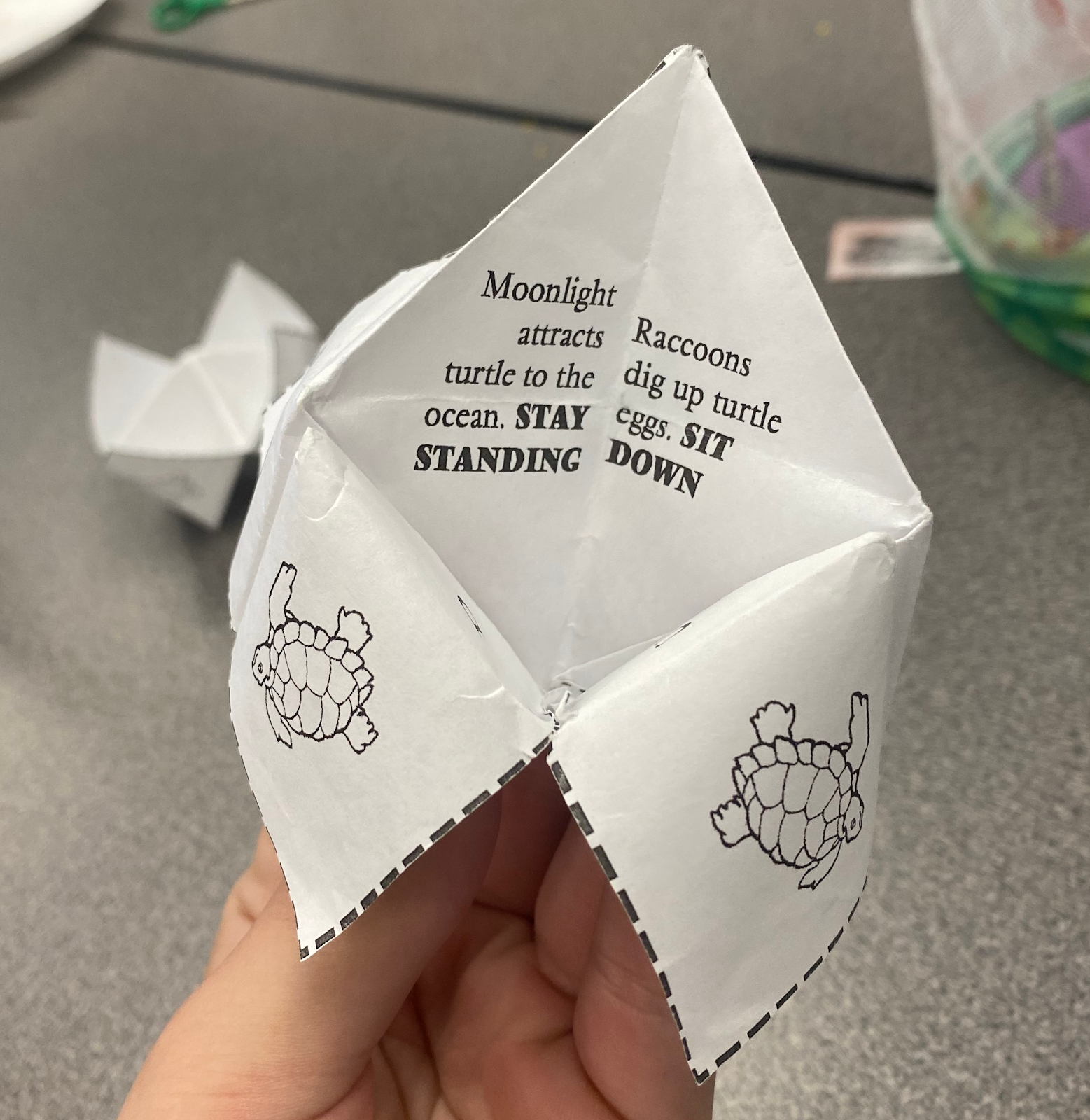
What did you learn this week? This week I learned more about turtle eggs and hatching. I didn't know that it only took three days for them to hatch. This was interesting to learn because if you compare it to how long it takes for humans to be formed to how long it takes turtles to be created there is a huge difference.  Are you able to relate what you learned to what you already knew? I was able to relate pollination to what I had already learned. I remember doing fast plants and pollinating them with dead bees in elementary school. It was in fourth grade. The setup was the exact same. It was very nostalgic.  How can you apply what you've learned to your teaching in the future? In the future, I can use the Turtle Turtle watch out game in my classroom. I think if I were to do it with elementary students I would do the game outside so they can scream without disturbing other classes. This is a good way to help students understand endangerment and the things that are harmful to t...
Week 5

Image
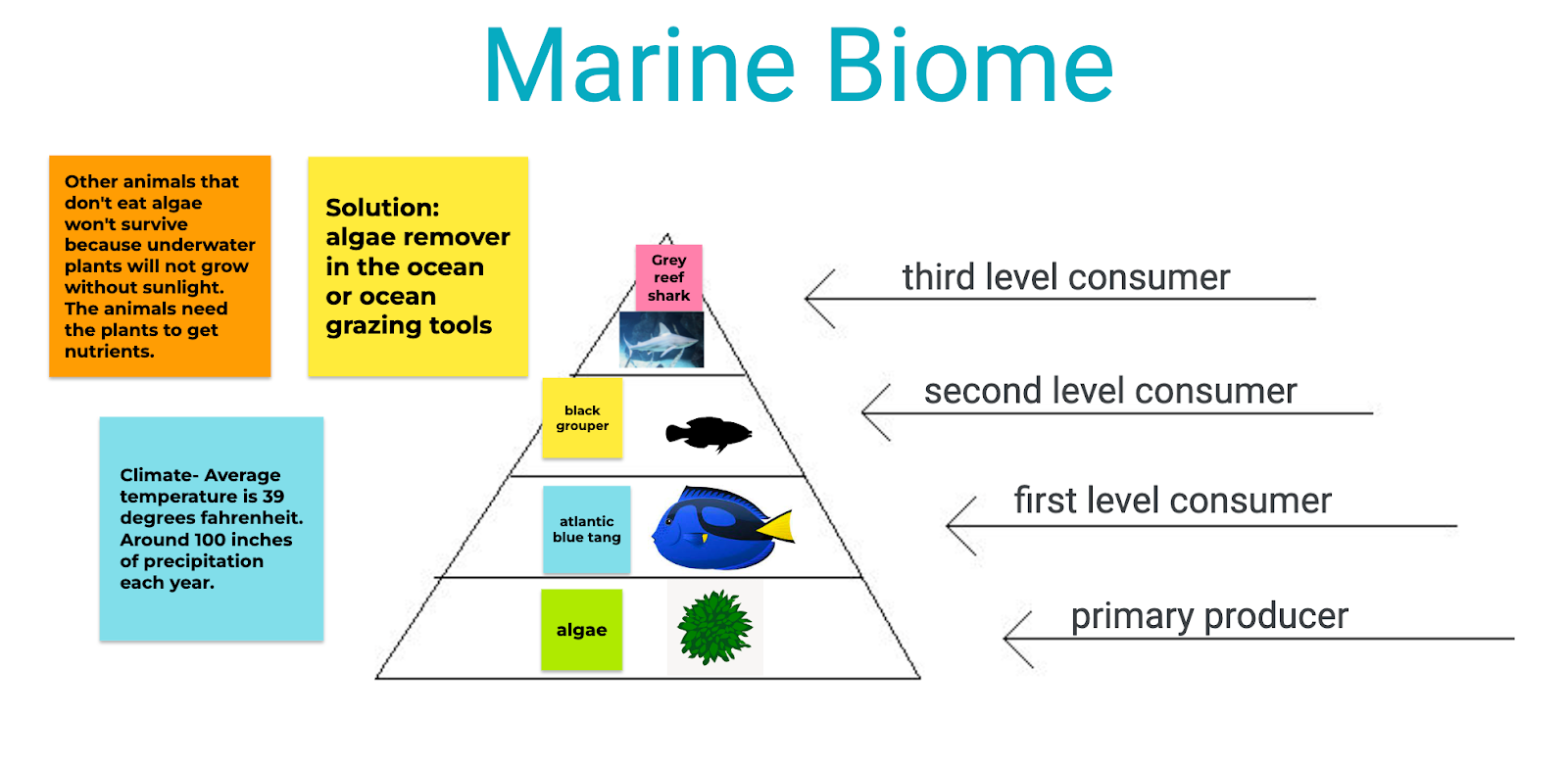
  What did you learn this week?     This week I learned about biomes, ecosystems, and habits. This was a nice refresher on my previous knowledge. We got to make a jam board over biomes which was super fun. It was also cool to look at other people's ideas of their biomes. We also learned about food chains and people put those on their jam board too.  Which parts did you find clear and which were confusing? I found the food chain to be very clear. Something a little confusing at first was the differences between biomes, ecosystems, and habitats but after the lecture today they are more clear.  What are new or remaining questions?  A remaining question I have is where does the 10% of energy that isn't consumed by the next consumer go? Does it stay with the previous consumer?

Week 4

Image
  What did you learn this week?     This week I learned about the 5E modeling system. I learned that the E's stand for engage, explore, explain, elaborate, and evaluation. These apply to both teachers and students. This method helps make the lesson to be more deeply understood and makes your students involved.  How can you apply what you've learned to your teaching in the future? In the future, I can implement the 5E modeling system in my classroom. Not only for science but also for reading, writing, social studies, and any other subjects. I can do a lesson of me demonstrating the 5E system and then have my students work in groups to do it on their own without my guidance.  What are new or remaining questions?  A question I still have is which E is the most effective in science for elementary-aged students? 

Week 3

Image
  What did you learn this week?      This week in lab we learned about life cycles. Life cycles happen in all kinds of organisms, whether that is plants, insects, or animals. In animals typically they start as eggs and then have two more stages before they reach adulthood. Plants life cycles are much different than animals but they all follow the same idea of stages of life.  Are you able to relate what you learned to what you already knew?     I was able to relate my life to what we learned in class. By this I mean I know that in life cycles there are stages. Typically four stages when it comes to mammals. My stages of life include being in my mom's belly (you could count this as an egg) then childhood, then adolescence, and finally adulthood.  How can you apply what you've learned to your teaching in the future?     Based on what I learned in class, in the future I can teach life cycles and then do a hands-on activity like we did. I wi...

Blog Week #2

Image
  What did you learn this week?  This week I learned the eight characteristics of living things. This includes cellular composition, genetics and heredity, maintains homeostasis, growth and change, reproduction, metabolism, movement, and responds to stimuli. I also learned that something can be living and not do these at a certain time. This means they are dormant. An example of this would be a seed in a package (at its dormant stage) vs. a seed in soil and being watered.  Are you able to relate what you learned to what you already knew? I was able to relate what I learned to what I already knew. I realized this when we were thinking of drawing each characteristic. For example, I knew that growth and change would be the process of someone growing up or also the evolution of a bird in a certain living space.  What are new or remaining questions?  A question I have about what we learned this week is "What is the best way to teach elementary-aged students about a l...

Blog #1

Image
  What did you learn this week?     This week I learned what NGSS is. NGSS is Next Generation Science Standards and it has been in place since 2012. There is a website you can go on where you can view all of the NGSS for any age group and any kind of science. This includes K-12 and could be physical science, life science, Earth and space sciences, and engineering, technology, and applications of science.  Are you able to relate what you learned to what you already knew?     I can relate what I learned about the NGSS to what I learned about the reading standards. The setup is very similar and now I know how to navigate each one.  How can you apply what you've learned to your teaching in the future?     I can apply this in the future by using the website when I need to look at my standards and also show it to other teachers or people who want to be teachers because it is a useful tool. Familiarizing yourself with the standards before getting i...